
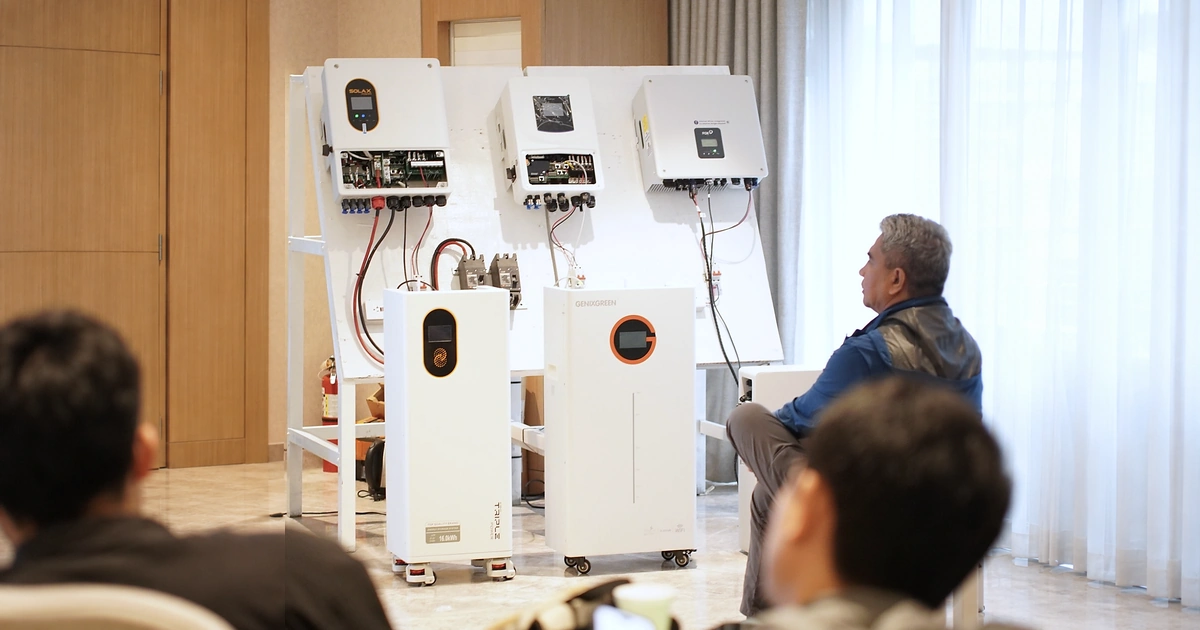
Інвертор 5 кВт може живити навантаження в межах своєї номінальної тривалої потужності, якщо їхні пускові вимоги та допустима віддача акумулятора також відповідають системі. Це не гарантує резервного живлення всього будинку або фіксованого часу роботи. Складіть список приладів, які працюватимуть одночасно, і перевірте їхні фактичні характеристики, пускові обмеження інвертора та конфігурацію акумулятора. Genixgreen виробляє системи накопичення енергії LiFePO4 на власному заводі з 2011 року. На цій сторінці пояснюємо, що насправді може живити гібридний інвертор класу 5 кВт, що перевірити перед купівлею та яка наша модель належить до цього класу. Якщо ви обираєте між різними потужностями, наш посібник з вибору інвертора 3 кВт або 5 кВт безпосередньо їх порівнює, а актуальні характеристики наведено на нашій сторінка продукту.
Коротка відповідь: чи підійде вам 5 кВт?
Інвертор класу 5 кВт варто розглядати, якщо основні навантаження вкладаються в його тривалі та пускові обмеження. Холодильник, насос, котел і кухонний прилад не є гарантовано сумісним набором: перевірте виміряне або зазначене в документації споживання кожного, зокрема за одночасного запуску. Перед вибором системи порівняйте допустиму віддачу акумулятора з номінальною потужністю інвертора. Докладніше у порівнянні: посібник з інвертора 3 кВт.
Перевірте вимоги до сумісності акумулятора перед тим, як вважати інвертор 5 кВт повноцінною системою резервного живлення.
Які прилади вдома живить інвертор 5 кВт
Номінальна тривала потужність 5 кВт дозволяє одночасно живити чимало приладів у звичайному будинку. Для орієнтиру, холодильник, десяток LED-ламп, роутер, телевізор, один або два ноутбуки, насос і автоматика газового котла разом споживають значно менше ніж 2 кВт. Це залишає комфортний запас для роботи водяного насоса або пральної машини. Запас потужності визначає не кількість приладів, а великі одночасні навантаження: електрочайник, занурювальний нагрівач, кондиціонер або насос у свердловині. Щоб визначити потрібну потужність, складіть тривалу потужність усіх приладів, які справді працюватимуть разом. У цьому допоможе наш посібник з розрахунку потужності інвертора детально це пояснює.
Тривала та пускова потужність
Значення на корпусі вказує на тривалу потужність, але те, чи спрацює захист інвертора, визначає пускова потужність. Прилади з електродвигунами, зокрема компресор холодильника, водяний насос і пральна машина, у момент запуску на частку секунди споживають у кілька разів більше за свою робочу потужність, природна властивість електродвигунів. Інвертор класу 5 кВт повинен мати запас пускової потужності понад свою тривалу потужність, щоб витримати цей стрибок без відключення. Також варто пам'ятати, що на етикетках приладів іноді вказують вольт-ампери, а не фактичні вати, і ці величини відрізняються з урахуванням коефіцієнта потужності, тому добирайте інвертор із запасом.
Практичне правило запасу
Не використовуйте всю номінальну тривалу потужність інвертора для запланованих тривалих навантажень. Залишайте запас для запуску двигунів і приладів, які можуть несподівано увімкнутися одночасно.
Чому важливі одна фаза, 48 В і чиста синусоїда
Три характеристики відрізняють інвертор 5 кВт, придатний для дому, від універсальної моделі. Він має бути однофазним на 230 В, саме під таку мережу розрахована проводка в українських будинках. Він також має бути розрахований на акумуляторну систему 48 В, щоб працювати із сучасним домашнім акумулятором LiFePO4. Крім того, він повинен видавати чисту синусоїду, потрібну двигунам, компресорам і чутливій електроніці. Модифікована або прямокутна хвиля спричиняє перегрів і може порушувати роботу автоматики котла та побутових приладів, як пояснює наш посібник із резервного живлення для газового котла Гібридний інвертор, що працює з мережею, також повинен безпечно від'єднуватися від неї під час відключення, щоб ніколи не подавати напругу на знеструмлену лінію, це вимагають стандарти приєднання до мережі. Наш посібник з типів інверторів пояснює різницю між гібридними, автономними та мережевими інверторами.
Підбір акумулятора до інвертора 5 кВт
Потужність інвертора визначає, які прилади можна живити одночасно, а акумулятор визначає тривалість їхньої роботи. Інвертор 5 кВт із невеликим акумулятором зможе живити великі навантаження, але недовго. Той самий інвертор із більшим акумулятором забезпечить роботу помірного навантаження протягом тривалого відключення. Тому їх обирають разом: інвертор підбирають за піковим навантаженням, а акумулятор за бажаним часом автономної роботи. Наш посібник із часу роботи акумулятора покаже, як розрахувати потрібну ємність акумулятора за вашими навантаженнями та бажаною кількістю годин роботи. Оскільки наші акумулятори LiFePO4 мають напругу 48 В, вони безпосередньо сумісні з гібридним інвертором класу 5 кВт, розрахованим на акумуляторну систему 48 В.
Які моделі ми пропонуємо в класі 5 кВт
Наша лінійка гібридних інверторів охоплює однофазні моделі 230 В потужністю від 5,5 до 8 кВт, усі вони сумісні з нашими акумуляторами LiFePO4 на 48 В. Для класу 5 кВт природним вибором є наша однофазна модель на 5,5 кВт. Вона впевнено працює з навантаженням класу 5 кВт, має запас пускової потужності та вбудований MPPT-контролер заряду. В одному корпусі інвертор працює із сонячними панелями, акумулятором і мережею. Якщо згодом ви плануєте додати більший масив сонячних панелей або потужніші навантаження, моделі на 8 кВт, одна з двома MPPT, а інша з входом для генератора, дадуть більше запасу. Актуальні характеристики можна переглянути, а запит на цінову пропозицію надіслати на нашій сторінка продукту; дилери та монтажники знайдуть умови співпраці на нашій сторінка для партнерів.
Поширені запитання
Чи достатньо інвертора 5 кВт для будинку?
Для більшості сімейних будинків так. Гібридний інвертор класу 5 кВт одночасно живить холодильник, освітлення, роутер, телевізор, водяний насос і газовий котел, залишаючи запас для періодичної роботи пральної машини або електрочайника. Він не призначений для кількох важких навантажень одночасно, наприклад кондиціонера, насоса та електроплити, тому підбирайте його за реальними одночасними навантаженнями.
Які прилади може живити інвертор 5 кВт?
Типовий набір із холодильника, LED-освітлення, роутера, телевізора, ноутбуків, насоса та автоматики котла не перевищує 5 кВт і залишає запас для циклічної роботи насоса або пральної машини. Обмеженням стають великі одночасні навантаження, наприклад електрочайник, занурювальний нагрівач або кондиціонер, що працюють разом.
Чи продаєте ви інвертор на 5,0 кВт?
Найближча до класу 5 кВт модель у нашій лінійці - це однофазний гібридний інвертор на 5,5 кВт, який упевнено покриває навантаження класу 5 кВт із запасом пускової потужності. Замість фіксованої моделі на 5,0 кВт ми добираємо потужність із запасом для запуску двигунів. Переглянути її можна на нашій сторінці товарів.
Чи потрібен для інвертора 5 кВт спеціальний акумулятор?
Потрібен сумісний акумулятор на 48 В. Наш гібридний інвертор класу 5 кВт розрахований на акумуляторну систему 48 В і безпосередньо сумісний із домашніми акумуляторами LiFePO4 на 48 В. Обирайте інвертор за піковим навантаженням, а акумулятор за потрібним часом роботи.
Чи інвертор 5 кВт кращий за 3 кВт?
Не кращий, а просто потужніший. Модель класу 5 кВт може одночасно живити більше приладів і підходить для великого сімейного будинку, тоді як клас 3 кВт краще підійде для меншого будинку або квартири з основними навантаженнями. Наш гайд із порівняння інверторів 3 кВт і 5 кВт допоможе підібрати потужність під ваші навантаження.
Правильний наступний крок
Гібридний інвертор класу 5 кВт дає змогу живити більшість приладів в українському будинку під час блекауту, якщо підібрати його за реальними тривалими та пусковими навантаженнями, обрати модель із чистою синусоїдою й поєднати її з акумулятором на 48 В. Щоб порівняти його з менш потужною моделлю, прочитайте наш посібник 3 кВт або 5 кВт або наші посібники на посібник з інвертора 3 кВт; перевірте чекліст покупця в нашому посібнику з вибору інвертора; а модель на 5,5 кВт і форму запиту цінової пропозиції дивіться на нашій сторінка продукту. Дилери й монтажники в Україні можуть дізнатися, як співпрацювати з нами, на нашій сторінка для партнерів.